Persistent pain is a significant concern that often follows sports injuries, affecting many sportspeople and physically engaged persons. When someone suffers from a sports injury, such as a sprain, strain, or break, the initial reaction usually involves pain and swelling. However, for some people, this discomfort does not diminish after the damage recovers. Instead, they may persistently experience discomfort well beyond the original trauma. This persistent condition is known as chronic pain, and it can be challenging to manage. Understanding the complexities of persistent discomfort is essential for both patients and medical professionals to promote successful recovery.
One reason chronic pain can develop after a physical trauma is due to the body's response to injury. When tissues are damaged, the system sends out alerts to notify the brain of the damage. This response includes swelling, which is part of the recovery process. However, in some instances, this immune reaction can become heightened or prolonged, leading to persistent pain even when the injury has healed. Additionally, psychological factors like nervousness and low mood can influence how individuals experience sensation. Athletes may feel stressed about returning to their sport, which can influence navigate to this web-site their interpretation of discomfort.
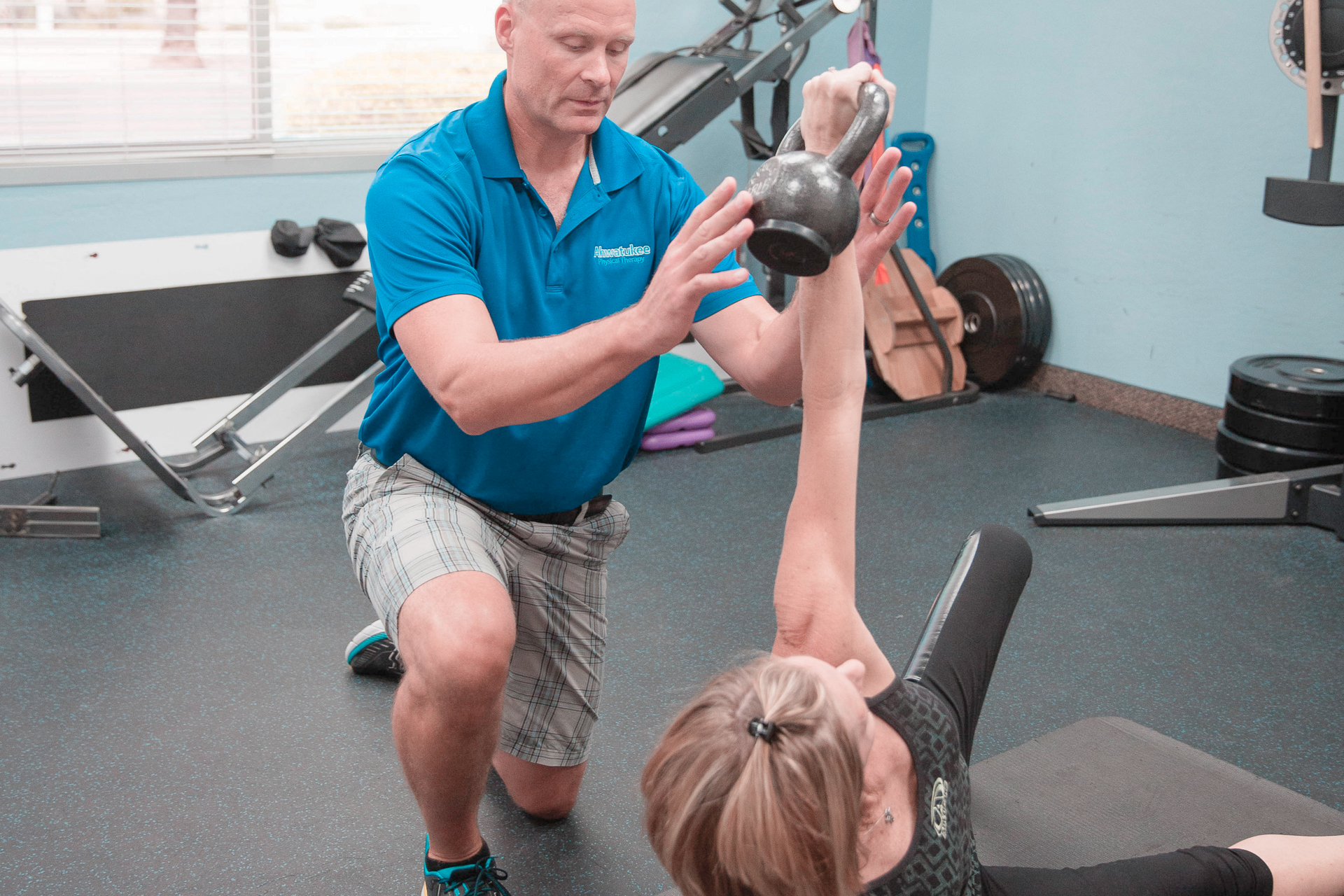
Persistent discomfort can seriously affect an individual athlete’s rehabilitation journey. It can limit their capacity to practice and compete at their usual levels. Sportspeople may end up unable to participate in training sessions or competitions due to fear of worsening their condition. This situation can lead to feelings of discouragement and social withdrawal. When patients cannot perform as they did before their injury, it may also undermine their psychological well-being and sense of confidence. Therefore, treating both the bodily and emotional components of recovery is essential for overcoming long-term discomfort.
Multiple treatment options are available for addressing chronic pain after sports injuries. Healthcare providers frequently recommend a combination of physiotherapy, medication, and alternative treatments like needle therapy or manual therapy. Rehabilitative exercise focuses on enhancing strength and flexibility Extra resources while controlling pain through specific movements. Medications such as NSAIDs or pain relievers may be recommended to help manage discomfort. Each patient’s situation is individualized; therefore, developing a customized treatment plan that accounts for individual needs and objectives is crucial for successful recovery.
To summarize, chronic pain following athletic trauma is a complex challenge that demands careful evaluation and intervention. It affects not only the bodily aspect of recovery but also the emotional well-being of sports participants. By recognizing the causes and effects of long-term discomfort, patients and healthcare providers can collaborate effectively more effectively toward rehabilitation. With targeted treatment strategies and rehabilitative resources in place, many individuals can successfully manage persistent symptoms and return to enjoying their preferred physical activities fully.
Comments on “Analyzing the Complexities of Persistent Aches After Physical Trauma and Its Influence on Recovery”